Overview
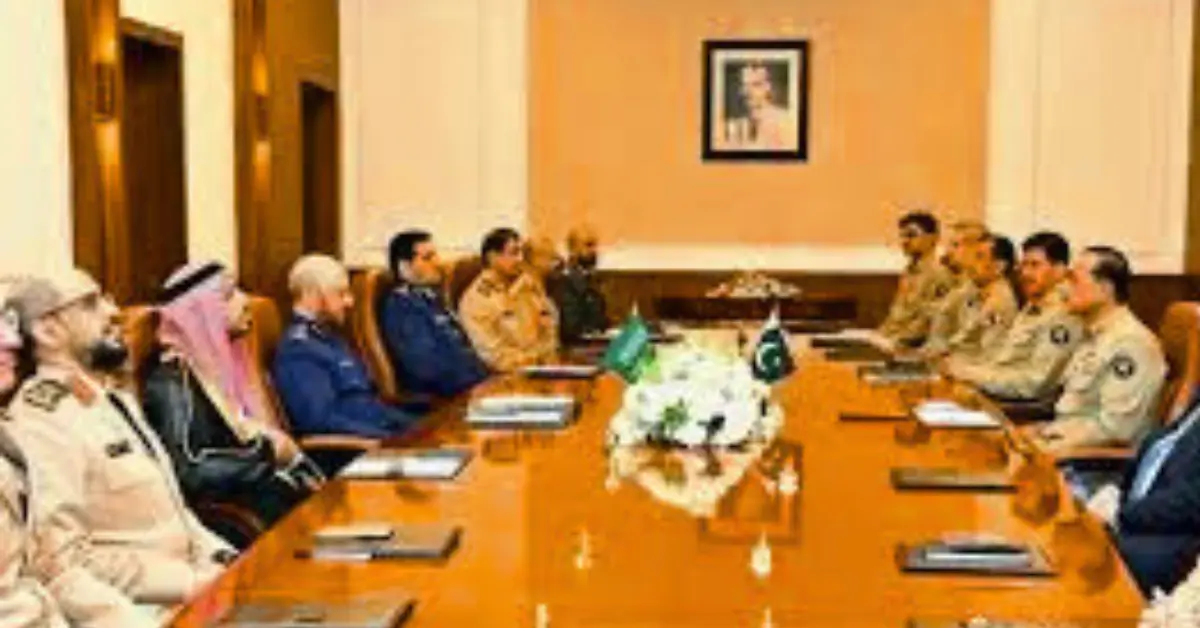
The longstanding bond between Pakistan and Saudi Arabia entered a new and strategically significant phase as senior military leaders from both nations met in Rawalpindi to review and advance Pakistan Saudi military cooperation 🤝. The engagement, held at the General Headquarters (GHQ), showcased not only diplomatic warmth but also a shared vision for regional stability, counter-terrorism coordination, and enhanced defence collaboration.
The meeting took place during the official visit of Saudi Armed Forces Chief of General Staff General Fayyadh Bin Hameed Al Rowaili, who held detailed discussions with Pakistan’s Chief of Army Staff (COAS), Field Marshal Syed Asim Munir. According to the Inter-Services Public Relations (ISPR), the dialogue centred on strengthening Pakistan Saudi military cooperation in training, intelligence sharing, joint operational frameworks, and defence technology—a relationship that continues to evolve with dynamic global and regional shifts.
High-Level Military Diplomacy Marks a New Chapter
Upon his arrival at GHQ, General Al Rowaili was presented with a ceremonious guard of honour after laying a floral wreath at Yadgar-e-Shuhada—a solemn tribute to Pakistan’s martyrs who sacrificed their lives in the line of duty 🇵🇰. The gesture reflected the deep respect Saudi Arabia holds for Pakistan’s military contributions, especially in maintaining regional peace and global security.
The two leaders then held an extensive meeting where they reaffirmed their commitment to enhancing Pakistan Saudi military cooperation. Field Marshal Munir appreciated Riyadh’s consistent support and highlighted how the defence ties between the two nations are rooted in decades of trust, collaboration, and shared strategic interests. The Saudi CGS reciprocated by expressing admiration for Pakistan’s role in strengthening security in the Muslim world and supporting Saudi Armed Forces in multiple professional fields.
 Pakistan Agrees to Restart Talks with Afghan Taliban in Istanbul
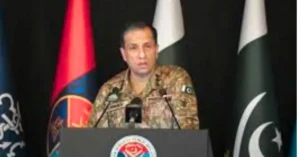 DG ISPR Fires Back: Pakistan Denies US Drone Strikes
During the conversation, both sides addressed evolving security challenges, the importance of modern warfare training, and the expansion of joint defence production. Pakistan’s growing defence industry, which has been drawing attention from international partners, was also part of the discussion. Analysts at publications like Al Jazeera and Reuters have frequently highlighted how Islamabad’s ties with Riyadh serve as a cornerstone for the wider Middle Eastern security architecture.
Strategic Defence Agreement Sets the Stage
The latest meeting builds on the momentum generated in September when Pakistan and Saudi Arabia signed the landmark Strategic Mutual Defence Agreement (SMDA). The pact—signed in Riyadh by Prime Minister Shehbaz Sharif and Crown Prince Mohammed bin Salman—treats an attack on one country as an attack on both, effectively elevating Pakistan Saudi military cooperation to a historic level.
The agreement has been widely discussed across global policy platforms, including Brookings Institution, for its potential to reshape alliances within the Muslim world. The pact was hailed as a significant step toward collective defence, with Deputy Prime Minister and Foreign Minister Ishaq Dar later suggesting that if more countries join the framework, it could evolve into an Eastern version of NATO—an idea that underscores the transformative power of Pakistan Saudi military cooperation 🌍.
Speaking in the National Assembly on October 3, Dar emphasized that several Arab and Muslim countries are eager to join similar defence arrangements with Pakistan, indicating a shift toward stronger regional alliances led by Islamabad.
Pakistan’s growing leadership role in the Muslim world also aligns with its strategic interests. Foreign policy analysts note that both countries are seeking greater defence autonomy and regional harmonization, especially at a time of shifting global power dynamics.
Counterterrorism and Joint Training: A Core Priority
One of the main focus areas of the meeting was counterterrorism cooperation. Pakistan has long been recognized for its successful counterterrorism operations, and Saudi Arabia continues to view Pakistan’s armed forces as a valuable partner in enhancing its own security capacity. Officers from both countries frequently participate in joint exercises, exchange programs, and operational training that strengthen tactical readiness and battlefield coordination 🔰.
Sources point out that the rising threats in the Middle East and broader region make Pakistan Saudi military cooperation even more essential. With both nations committed to combating violent extremism, each engagement adds another layer of security integration.
General Al Rowaili expressed special appreciation for Pakistan’s contributions in helping Saudi forces modernize their training methodologies. He praised Pakistani military instructors and advisors for their professionalism—a sentiment echoed in security analyses by international think tanks such as the Center for Strategic and International Studies (CSIS).
Economic and Strategic Dimensions Strengthen Ties
At a time when defence aligns with economic diplomacy, Pakistan and Saudi Arabia are also strengthening financial, energy, and investment cooperation. The defence relationship contributes to broader economic confidence, with Saudi Arabia increasingly investing in Pakistan’s energy and mineral sectors. Reports highlighted on NewsCloud.pk show expanding bilateral economic engagement, showing how defence and economy increasingly complement each other 💼.
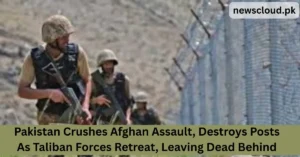 Pakistan Afghan Clashes Escalate as Dozens of Militants Killed
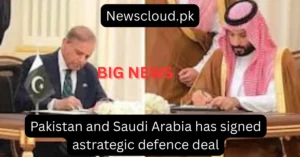 Pakistan-Saudi Arabia Sign Strategic Mutual Defence Agreement
The strong Pakistan Saudi military cooperation provides a platform for future joint ventures in defence production, weapons technology, and cybersecurity frameworks—areas both nations are keen to develop.
A Future of Deeper, Broader Cooperation
The Rawalpindi meeting demonstrates that Pakistan Saudi Arabia military cooperation is entering a more institutionalized and forward-looking phase. With shared objectives, growing political trust, and mutual regional interests, both countries are expected to announce new joint initiatives in the coming months.
For Pakistan, the partnership bolsters its strategic outreach. For Saudi Arabia, it reinforces its defence preparedness and aligns with its Vision 2030 agenda. For the wider Muslim world, it sets the tone for powerful, cooperative, and united security mechanisms.
FAQs
1. What was the main focus of the meeting between Pakistan and Saudi Arabia military leaders?
The primary focus was strengthening Pakistan Saudi Arabia military cooperation, including defence collaboration, training, and counterterrorism coordination.
2. What is the Strategic Mutual Defence Agreement (SMDA)?
SMDA is a bilateral pact signed in September that treats an attack on one nation as an attack on both.
3. Why is Pakistan important to Saudi Arabia defence strategy?
Pakistan’s military expertise, counterterrorism success, and longstanding partnership make it a vital defence ally.
4. Did the Saudi CGS participate in any ceremonies at GHQ?
Yes, he laid a wreath at Yadgar-e-Shuhada and received a guard of honour.
5. How does this cooperation impact the Muslim world?
It strengthens collective defence, inspires unity, and potentially forms new regional security alliances.