High-level visit and core message
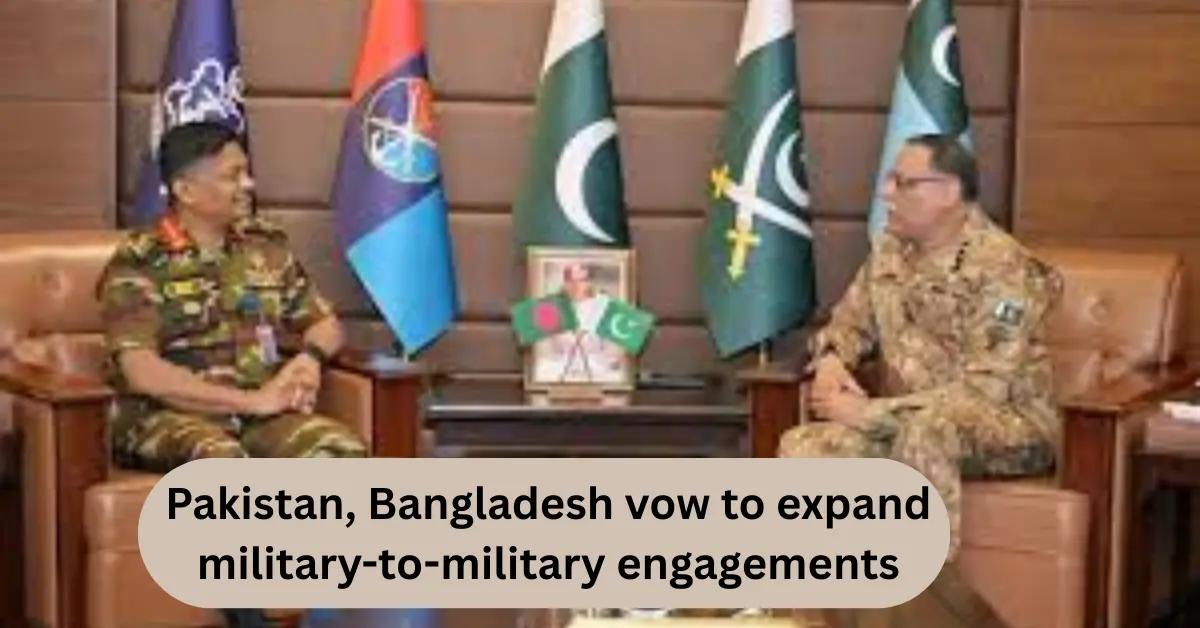
Chairman Joint Chiefs of Staff Committee (CJCSC) General Sahir Shamshad Mirza visited Dhaka on October 26, 2025, and held talks with Chief Adviser Muhammad Yunus, according to the Inter-Services Public Relations. Both sides stressed the importance of strengthening bilateral defence ties and reaffirmed a mutual commitment to expand Pakistan Bangladesh military engagements across training, institutional links and doctrinal dialogue. 🇵🇰🇧🇩
What was discussed
Officials said delegations carried out detailed discussions on the evolving regional security environment and practical areas for cooperation. The ISPR release noted shared optimism about expanding Pakistan Bangladesh military engagements and related initiatives that build interoperability and professional exchange. The visit also included meetings with Bangladesh’s service chiefs to translate goodwill into concrete military-to-military steps. (See ISPR statement: ISPR.) 🛡️
 DG ISPR Fires Back: Pakistan Denies US Drone Strikes
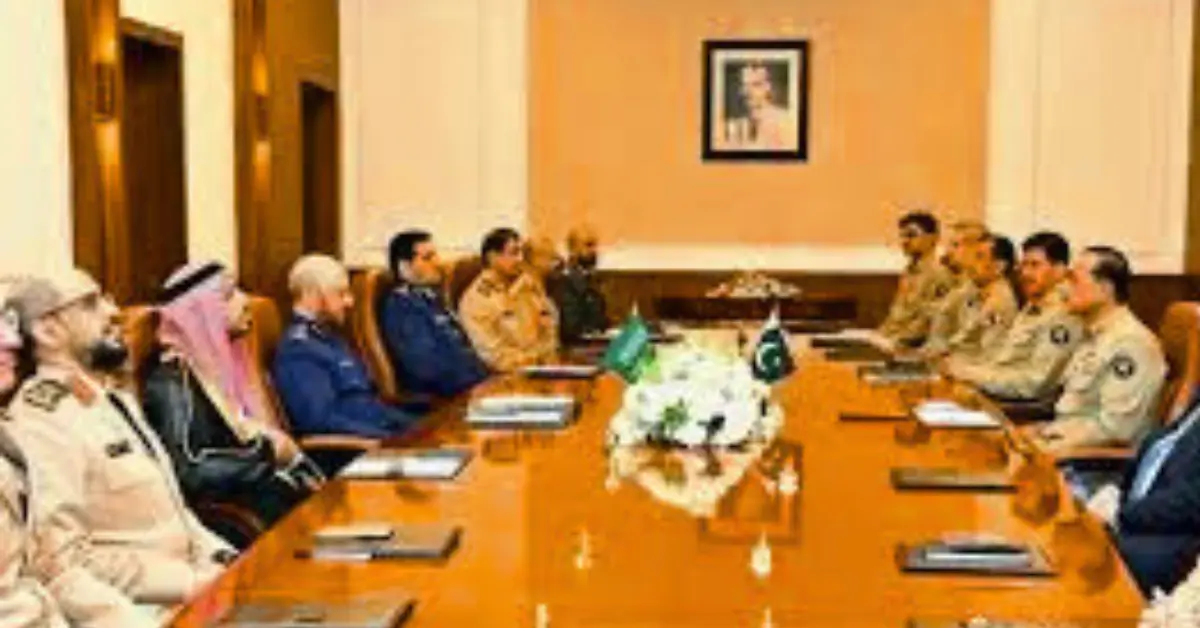
 Pakistan And Saudi Arabia Boost Defence Ties in High-Level Military Talks
Site visits and people-to-people military links
Gen Mirza visited the School of Infantry and Tactics in Sylhet, where he engaged with faculty and trainees and highlighted Pakistan’s emphasis on professional military education. He also met Admiral Mohammad Nazmul Hassan, Air Chief Marshal Hasan Mahmood Khan and Lt Gen S.M. Kamrul Hassan of Bangladesh’s Armed Forces Division — meetings intended to map out the practical modalities of Pakistan Bangladesh military engagements such as staff exchanges, observer attachments and joint training modules. 📚✈️⚓
Why Pakistan Bangladesh military engagements matter now
The renewed focus on Pakistan Bangladesh military engagements comes at a sensitive moment in regional politics after the student-led upheaval in Bangladesh in 2024 and subsequent shifts in Dhaka’s external alignments. Deepening defence ties can offer both capitals institutional channels to manage shared security challenges, enhance crisis communication and foster confidence-building measures without undermining each country’s sovereignty. Analysts view such military-to-military steps as pragmatic diplomacy that complements political and economic re-engagement. 🔍
Historical and political context
Relations between Islamabad and Dhaka started warming after the political transition in Bangladesh in August 2024. The UN reported significant human rights concerns from the unrest last year — including estimates of many casualties — which has reshaped international and regional dynamics. Renewed Pakistan Bangladesh military engagements follow prior high-level interactions, including meetings between Prime Minister Shehbaz Sharif and Bangladesh leadership at the UN and earlier diplomatic visits by Pakistan’s foreign minister. For background on the UN findings, see the UN Human Rights Office summary. (UN/ OHCHR coverage: UN OHCHR; related reporting: AP.) 📰
Mutual benefits and possible initiatives
Both sides signalled interest in converting dialogue into tangible initiatives: expanded staff talks, tailored training courses, maritime cooperation in the Bay of Bengal, joint doctrinal seminars and observer participation in each other’s exercises. These practical elements of Pakistan Bangladesh military engagements are aimed at building interoperability and professional trust while leaving strategic autonomy intact for both states. 🤝
Regional implications
Expanded Pakistan Bangladesh military engagements could create new avenues for de-escalation and information sharing in a complex neighbourhood. Defence ties strengthen institutional contacts that help manage tensions, facilitate humanitarian assistance and improve coordination in peacekeeping or disaster-response scenarios — thereby providing resilience against misperceptions and crises. However, observers will watch carefully for how these military ties interact with wider diplomatic, economic and human-rights concerns. 🕊️
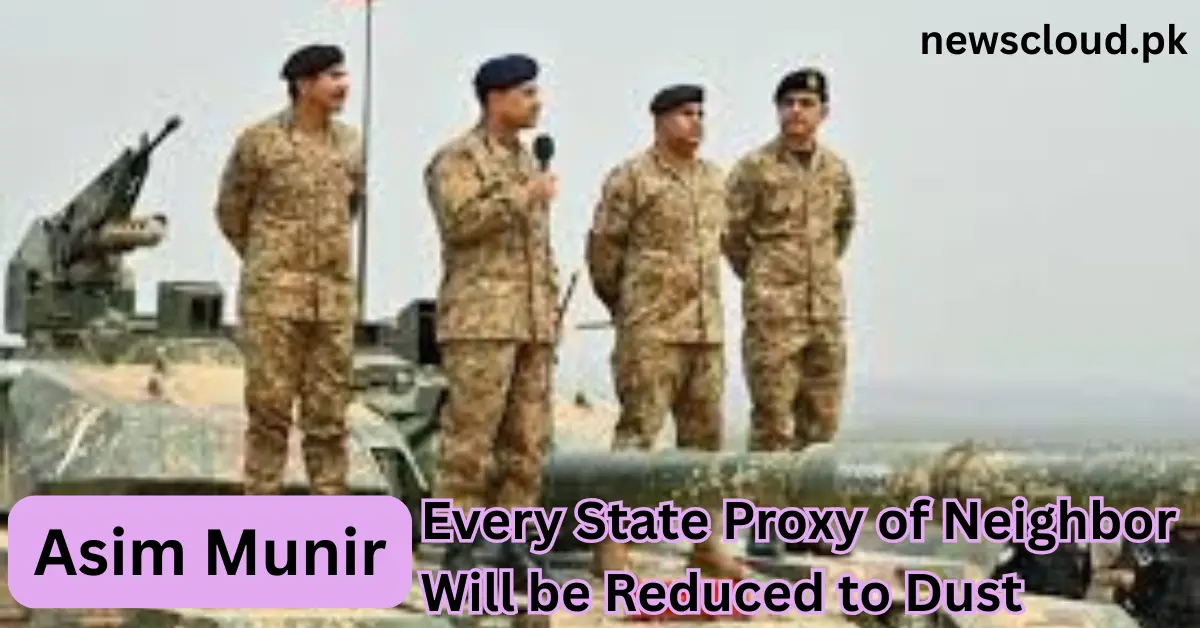
 Field Marshal Munir Stark Warning: “Proxies Will Be Reduced to Dust”
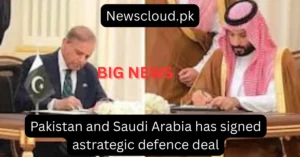 Pakistan-Saudi Arabia Sign Strategic Mutual Defence Agreement
Next steps and monitoring
Officials in Islamabad and Dhaka are expected to follow up with working-level meetings to draft memoranda of understanding and detailed exchange programmes. The ISPR and Bangladesh defence channels will publish formal readouts when technical agreements are finalised. Readers seeking timely Pakistan-centric analysis and official readouts should check national outlets and visit NewsCloud for ongoing coverage. For independent reporting see Dawn and international coverage such as Reuters and Arab News. 🔗
FAQs
- Q: What was the purpose of Gen Mirza’s visit to Bangladesh? A: To meet Bangladesh’s leadership and service chiefs and agree on expanding Pakistan Bangladesh military engagements, including training, exchanges and institutional collaboration.
- Q: Which Bangladeshi officials did the CJCSC meet? A: He met Chief Adviser Muhammad Yunus, the Chief of Naval Staff, the Chief of Air Staff and the Principal Staff Officer of the Armed Forces Division.
- Q: Will there be joint exercises under the Pakistan Bangladesh military engagements plan? A: Both sides expressed intent to expand military-to-military ties; joint exercises, observer roles and staff exchanges are likely components of future cooperation.
- Q: How do these military ties affect bilateral trade? A: Defence cooperation complements the recent resumption of government-to-government trade and trust-building but does not replace separate trade negotiations.
- Q: Where can I read official statements and follow updates about these Pakistan Bangladesh military engagements? A: Official updates are available via ISPR and Bangladesh defence channels; for Pakistan-focused coverage visit NewsCloud and major international wire services.