Introduction
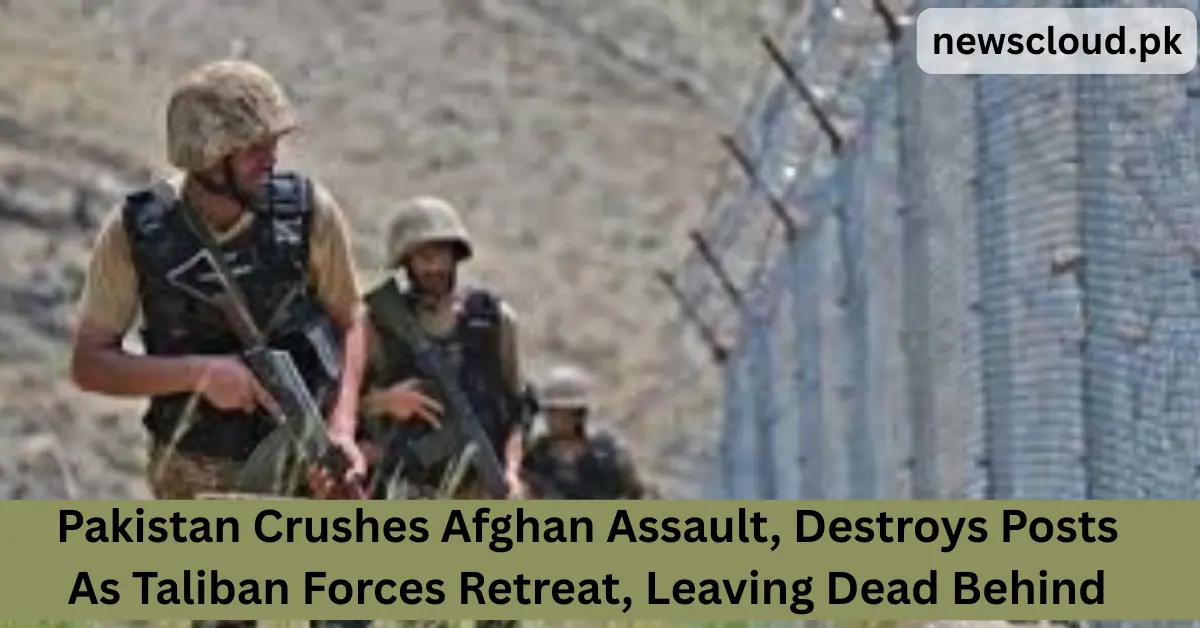
Pakistan Afghan Clashes, 🇵🇰 Pakistani forces launched a swift and forceful counterstrike after sustained cross-border attacks, destroying multiple Afghan forward posts, capturing 19 positions and inflicting heavy losses on fighters and militants, security officials said on October 11, 2025. The dramatic escalation — framed by authorities as a targeted response to militant sanctuaries used to launch attacks into Pakistan — has drawn international concern while Islamabad insists its operations are aimed solely at terrorist hideouts, not civilians.
What happened on the border
🔎 According to security sources, Afghan units opened fire across several frontier points including Angoor Adda, Bajaur and Kurram, with additional clashes reported in Dir, Chitral and Baramcha. Pakistani border defences responded decisively, employing artillery, tanks, air assets and drones to neutralize hostile positions. As a result of the operation, Pakistani troops captured 19 Afghan border posts that were allegedly being used to stage attacks, and video footage circulating on social media shows charred checkpoints and retreating fighters.
Targets, militants and claimed outcomes
⚔️ Military sources said the strikes targeted bases and command centres sheltering Daesh, Fitna al-Khawarij elements and Taliban formations responsible for cross-border terrorism. The operation reportedly flattened key militant strongholds — including the so-called Kharcher Fort and several battalion headquarters — and left dozens of enemy fighters dead. Officials claim that many Taliban fighters abandoned posts and that Afghan soldiers fled certain positions, leaving bodies behind.
 Afghan Nationals Were Involved in Wana, Islamabad Strikes
 Spectacular Supermoon October 7: Pakistan’s Night Sky Will Glow
Weapons and tactics used
🛰️ The Pakistan Army confirmed that a combination of artillery, armoured units, drones and air support were employed to strike militant hideouts. Commanders said the strikes were precise and focused on training camps and launchpads rather than civilian sites, stressing that the aim was to dismantle networks that repeatedly attacked Pakistani territory.
Diplomatic fallout and regional concern
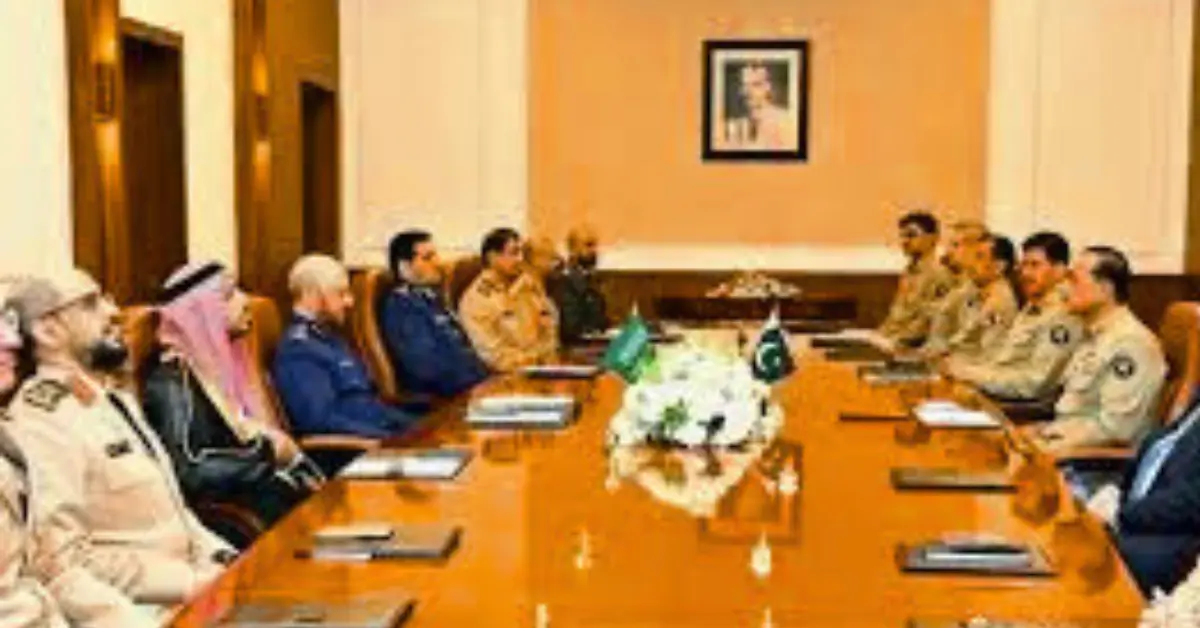
🌍 Saudi Arabia and Qatar have expressed concern about the clashes and urged restraint, calling for dialogue to de-escalate tensions. International calls for calm reflect broader worries that the Pakistan Afghan clashes could spiral into a wider confrontation if not managed carefully. Observers note that both sides face pressure from domestic constituencies to respond firmly to perceived provocations.
Islamabad’s narrative and accusations
🗣️ Pakistani officials accused elements in Afghanistan of facilitating militant groups and alleged that foreign actors were backing attacks against Pakistan. The military’s public relations office has repeatedly called on Afghan authorities to “seal the border” and prevent their soil from being used by non-state actors. Islamabad has also underlined that the Pakistan Afghan clashes are aimed at terrorist sanctuaries and not at the Afghan people.
Local support and political reaction
🤝 Tribal elders and local leaders publicly backed the armed forces, pledging solidarity with troops and vowing to confront militants. Interior Minister Mohsin Naqvi condemned what he described as unprovoked firing from across the border, calling the response lawful and necessary to protect Pakistani citizens. Religious and community figures also warned of further action if cross-border attacks continued.
Humanitarian and refugee backdrop
🚶 Pakistan has hosted Afghan refugees for decades and recent operations come against a backdrop of continued displacement and returns. Islamabad’s security concerns have been compounded by long-standing complaints that militant facilitators operate from Afghan territory, contributing to the spike in cross-border incidents that culminated in the recent Pakistan Afghan clashes.
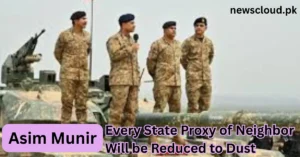 Field Marshal Munir Stark Warning: “Proxies Will Be Reduced to Dust”
 Sohail Afridi Finalises KP Cabinet — 13-Member Team Sworn In Today
What to watch next
👀 Key indicators to monitor include diplomatic exchanges between Islamabad and Kabul, statements from regional mediators, any fresh footage or independent verification of the strikes, and humanitarian indicators along the frontier. For readers seeking more reporting and verification from independent outlets, see coverage by international agencies such as Reuters, BBC and Al Jazeera. For updates and local perspective, visit https://newscloud.pk.
Bottom line
✅ The Pakistan Afghan clashes mark a significant uptick in cross-border hostilities with Kabul and Islamabad trading accusations. While Islamabad stresses that its operations target terrorists and training centres, Saudi and Qatari appeals for restraint underscore the risk of wider escalation. The coming days will be crucial in determining whether diplomacy can rein in violence or whether the border will remain a flashpoint.More information on newscloud.pk.
FAQs
- What are the Pakistan Afghan clashes? The term refers to recent cross-border confrontations in which Pakistan says it struck Afghan posts and militant hideouts after being fired upon from Afghan territory.
- How many posts did Pakistan seize? Security sources claimed Pakistani forces captured 19 Afghan border posts used to launch attacks into Pakistan.
- Were civilians targeted in the operations? Pakistani officials insist operations were directed at militant camps and command centres, not civilian populations.
- Which countries have reacted to the clashes? Saudi Arabia and Qatar have expressed concern and urged patience, restraint and dialogue to defuse tensions.
- Where can I find independent reporting on the incidents? International outlets such as Reuters, BBC and Al Jazeera provide ongoing coverage and independent verification of events.