Overview
How the Clashes Erupted
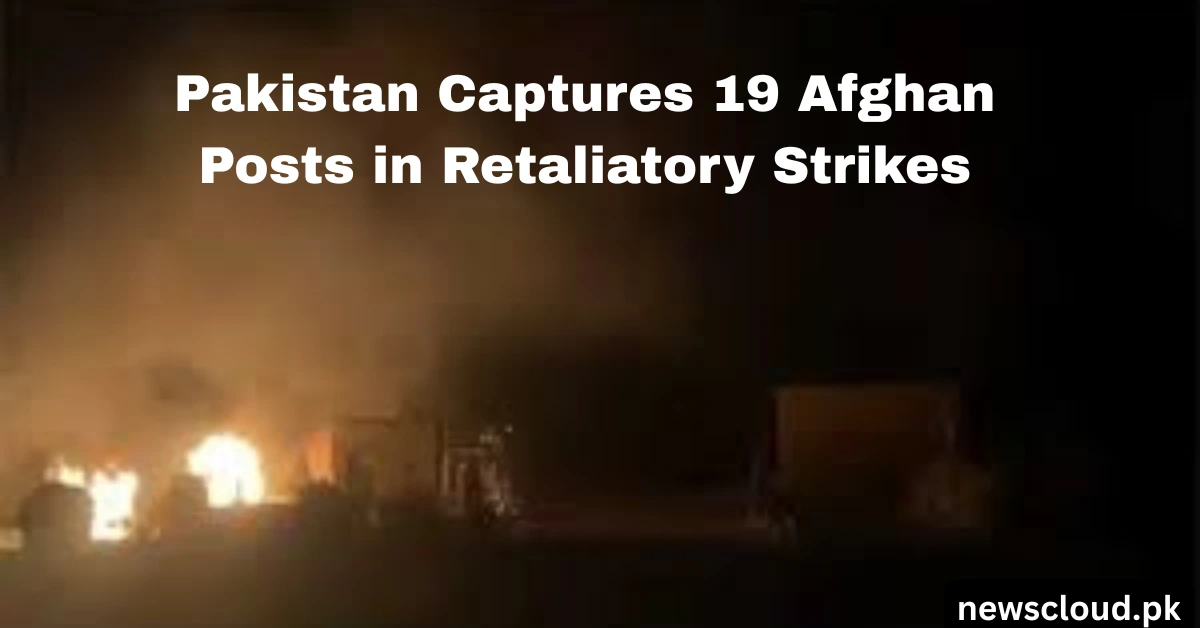
According to security sources, Afghan troops opened fire on Pakistani border positions in areas including Angoor Adda, Bajaur, and Kurram. The attacks were reportedly aimed at aiding militants from the TTP and Khawarij formations attempting to infiltrate Pakistan. In response, the Pakistan Army used artillery, tanks, drones, and air assets to neutralize the aggression. 💣
Pakistan’s Strong Response
The Pakistan Army retaliated with precision, capturing 19 Afghan checkposts, including the Durrani and Turkmanzai camps. Pakistani forces also struck militant strongholds in Kurram, Nushki, and Spin Boldak, destroying weapon depots and command centres. Video evidence released on media outlets shows Pakistani troops raising the national flag over captured Afghan positions. 🏴☠️
Statements from Leadership
Prime Minister Shehbaz Sharif condemned Afghanistan’s aggression and lauded the army’s “befitting and effective response.” He reiterated that Pakistan would make no compromise on its sovereignty or security. President Asif Ali Zardari also emphasized that the war on terrorism is a shared responsibility and urged Kabul to prevent the use of its soil by extremist elements.
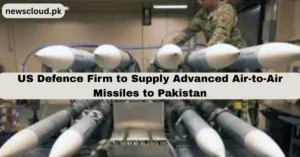 AMRAAM to Pakistan Strengthens Air Power and Strategic Ties
 Karachi Traffic Police Warns Against Fake Fine Payment Messages
Diplomatic and Regional Reaction
Saudi Arabia, Qatar, and Iran expressed concern over the escalating Pakistan Afghanistan border clashes, calling for dialogue and restraint. Riyadh stressed that reducing tensions is essential for regional peace, while Doha urged both nations to settle disputes through diplomatic channels. These appeals underline the regional anxiety over rising instability in South Asia. 🤝
Military Success and Ground Situation
Pakistan’s operations inflicted heavy losses on Afghan and militant forces. The Taliban’s Manojaba battalion headquarters and several other camps used for cross-border attacks were demolished. In Zhob and Chitral, multiple vehicles and tank positions were destroyed. Officials called the operation a major success for Pakistan’s defence strategy, asserting that it targeted only militant hideouts — not civilians.
ISPR’s Official Position
Director-General ISPR Lieutenant General Ahmed Sharif Chaudhry stated that Pakistan had used multiple diplomatic channels before responding militarily. He urged Afghanistan to “seal the border” and ensure that its territory is not used for attacks. He also pointed to evidence of Indian-backed proxies operating from Afghan soil — a concern repeatedly raised by Islamabad. ⚔️
Public and Tribal Support
Tribal elders from Kurram, Bajaur, and Waziristan reaffirmed their solidarity with the Pakistan Army, vowing to stand shoulder to shoulder with the troops. They declared that Pakistan’s sovereignty would be defended at all costs, echoing national sentiment in the wake of the latest Pakistan Afghanistan border clashes. 💪
Humanitarian and Strategic Impact
The clashes come amid already strained relations between Islamabad and Kabul over the repatriation of undocumented Afghan refugees. The renewed violence risks worsening the humanitarian situation along the 2,500 km frontier. Observers warn that continued hostilities could disrupt trade routes, cross-border cooperation, and regional development projects. 🚧
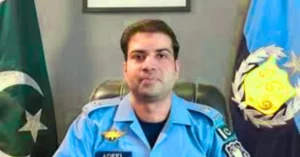 SP Adeel Akbar suicide Inquiry Reveals Startling Findings
 Neelofar Movie 2025 Release: Mahira Khan & Fawad Khan Reunite on Big Screen
Pakistan’s Call for Peaceful Resolution
Despite the military success, Pakistani officials maintain that their response was purely defensive. They have called on the Afghan authorities to take concrete steps to curb terrorist networks operating on their soil. Islamabad reiterated that the conflict is not with the Afghan people but with extremist groups threatening both nations’ stability.
Stay Updated
For verified updates and detailed analysis of the ongoing Pakistan Afghanistan border clashes, visit NewsCloud.pk — your trusted platform for real-time geopolitical developments and expert reporting. 📰
FAQs
Q1: How many Afghan posts were captured by Pakistan?
Pakistan’s military confirmed that 19 Afghan border posts were seized during retaliatory operations.
Q2: What triggered the latest Pakistan Afghanistan border clashes?
Security officials stated that Afghan forces opened unprovoked fire on Pakistani positions, prompting a full-scale counterstrike.
Q3: Were civilians targeted in the operations?
No, Pakistani officials clarified that only militant hideouts and command centres were hit, not civilian areas.
Q4: What was the reaction from regional countries?
Saudi Arabia, Qatar, and Iran expressed concern and called for both nations to resolve tensions through dialogue and restraint.
Q5: What is Pakistan’s stance moving forward?
Pakistan says it will continue to defend its sovereignty while seeking regional peace and urging Kabul to prevent terrorist activity along the border.