Key Details of the News 📰
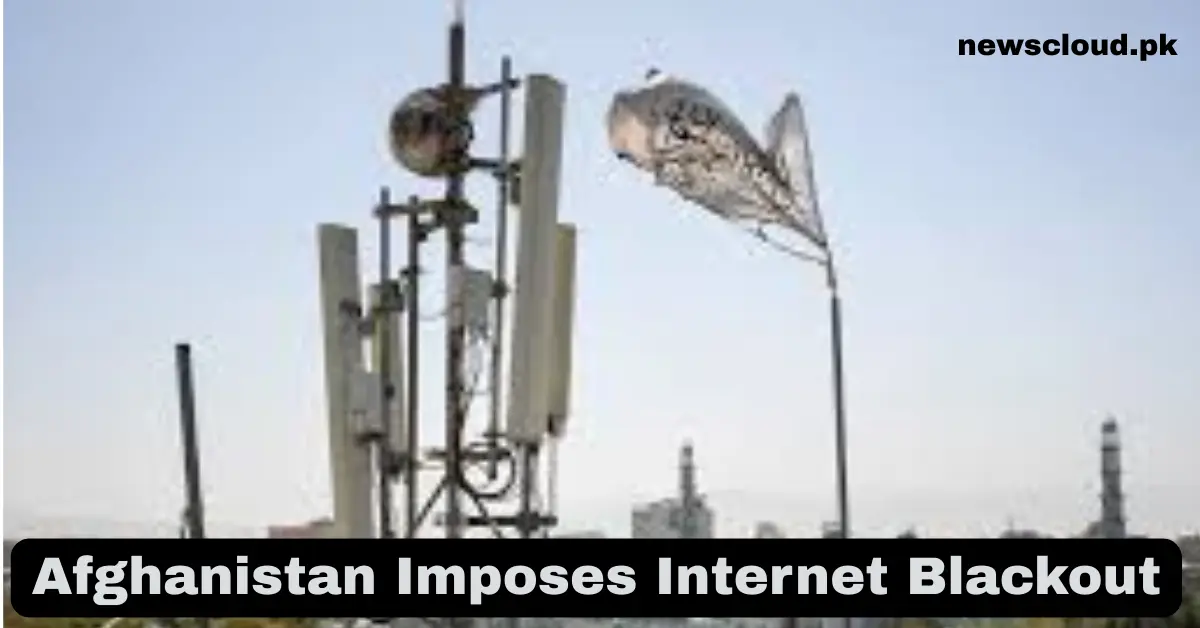
Afghanistan has entered a state of total internet blackout after the Taliban authorities shut down fibre-optic connections across multiple provinces. According to NetBlocks, a global internet watchdog, the blackout has also disrupted telephone services, leaving nearly 43 million citizens cut off from the outside world. The move is part of a Taliban crackdown against what they describe as “immoral activities.”
Connectivity was reduced in phases starting mid-September, with the latest stage affecting 3G and 4G mobile networks, leaving only 2G service functional. Major cities including Kabul, Herat, and Kandahar faced the sharpest connectivity declines. This marks the first nationwide shutdown since the Taliban regained power in 2021, intensifying concerns about Afghanistan’s fragile humanitarian and economic conditions.
Background: Why Did the Taliban Cut Internet? 📡
Earlier this month, Taliban officials announced restrictions on fibre-optic internet in provinces such as Balkh, Takhar, Badakhshan, Helmand, and Nangarhar. They claimed the measure was taken to prevent online vice and pornography. The government later expanded the restrictions nationwide, affecting nearly all telecom pillars.
Taliban representatives told AFP that over “8,000 to 9,000 telecommunications pillars” have been shut down and the blackout will remain in place “until further notice.”
Immediate Effects on Daily Life and Economy 📊
The internet blackout has affected multiple aspects of Afghan life:
- Media & News: Prominent outlets like TOLOnews and international agencies AFP and AP reported severe disruptions to communication with their Kabul bureaus.
- Flights: Flight tracking service Flightradar24 confirmed cancellations of at least nine flights at Kabul International Airport.
- E-commerce & Aid: Platforms like Aseel—which allows Afghan women to sell crafts globally—are unable to operate. The platform also processed humanitarian aid, now paused.
- Social Media Income: Afghans earning through YouTube and other platforms have lost connectivity, worsening unemployment.
- Healthcare & Banking: Diplomats warned that banking systems, hospitals, and rescue efforts after the recent 6.0 earthquake may be severely hindered.
Reactions from Afghans and the World 🌍✈️
Rights activists inside and outside Afghanistan have condemned the internet blackout. Nilofar Ayoubi, an Afghan journalist living abroad, said she has been unable to contact her family. Women’s rights advocates highlight that many girls had turned to online classes after being banned from schools and universities—opportunities now erased.
International observers fear the shutdown will not only suppress dissent but also cut Afghanistan off from critical humanitarian coordination at a time of dire need. The UN and NGOs already face restrictions on women staff, complicating aid operations further.
Potential Global Impact 🔎
The blackout underscores growing instability in Afghanistan, raising alarms in global politics and diplomacy. It may:
- Intensify humanitarian crises by obstructing aid delivery.
- Weaken Afghanistan’s already fragile economy by halting digital trade.
- Increase global criticism of the Taliban, affecting their quest for international recognition.
- Push Afghan citizens toward deeper isolation, reducing transparency on human rights violations.
Experts argue that the move could be a strategic effort by the Taliban to consolidate control while silencing dissent, despite the long-term damage to the country’s economy and international standing.
Conclusion ⚖️
The Afghanistan internet blackout has created a communication void, impacting everything from daily life to global aid coordination. With millions now cut off from the world, concerns about human rights, humanitarian relief, and the country’s fragile economy continue to grow. Unless reversed, this decision may further isolate Afghanistan on the international stage, leaving its citizens in unprecedented digital darkness.
visit our website newscloud.pk more news.
FAQs ❓
Q1: Why did the Taliban impose the internet blackout?
The Taliban claim it is to prevent “immoral activities” online, including pornography.
Q2: Which areas are most affected by the shutdown?
Major cities such as Kabul, Herat, and Kandahar experienced the sharpest drops in connectivity.
Q3: How will this internet blackout affect Afghanistan’s economy?
Internet blackout halts digital trade, disrupts aid platforms, and cuts income from social media, worsening poverty and unemployment.
Q4: What are the humanitarian consequences?
Rescue efforts after the recent earthquake and ongoing aid programs are being obstructed, risking lives.
Q5: How is the world reacting?
Global watchdogs, NGOs, and Afghan activists abroad are raising concerns, warning the move isolates the nation further.