Quick snapshot
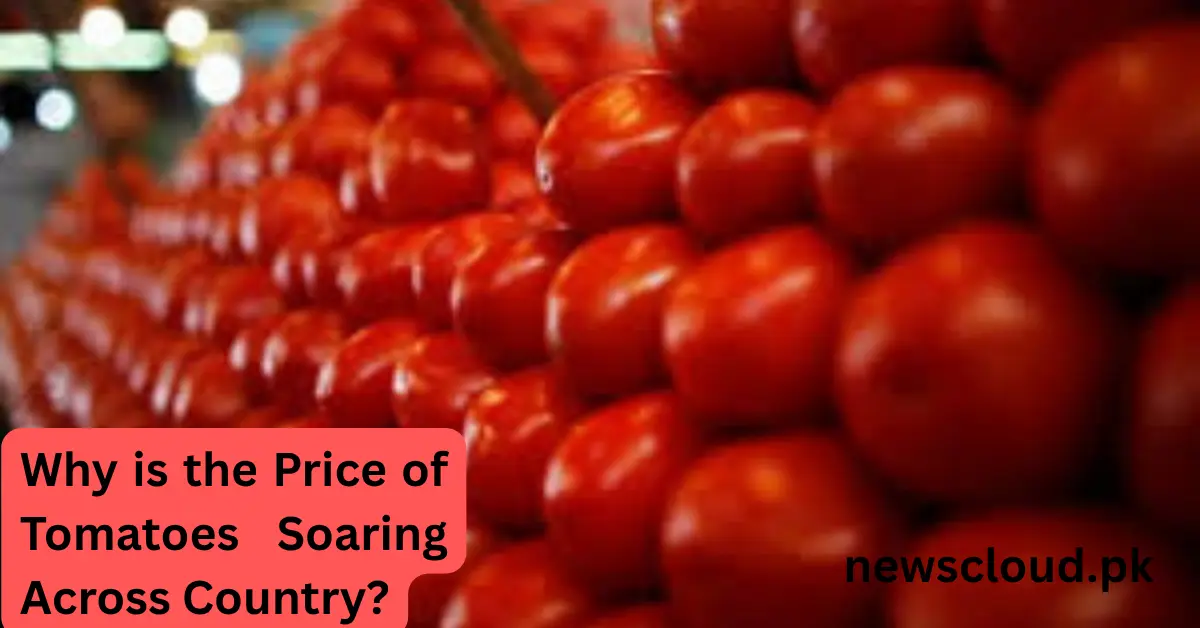
Tomato prices have shot up sharply in Karachi, Islamabad and many other cities, with retail rates reaching as high as Rs.550–Rs.560 per kilogram in some markets while wholesalers quote around Rs.250–Rs.300 per kg. The sudden spike has forced consumers to cut back purchases and look for substitutes such as tomato paste or yoghurt.
Main causes behind the tomato price hike Pakistan 🌾
Traders and market officials point to a supply shock: Balochistan’s tomato crop is winding down, imports from Iran have fallen and cross-border deliveries from Afghanistan have been disrupted by recent border closures. With fewer fresh trucks reaching wholesale mandis, available stock has shrunk and the tomato price hike Pakistan has intensified.
 Breaking: Saad Rizvi Booked in Multiple Terrorism FIRs After Muridke Violence
 PIA to Resume UK Flights — Schedule, Aircraft and Booking Tips Explained
Wholesale vs retail: why consumers pay more 💸
Wholesalers say they are selling tomatoes at roughly Rs.250–Rs.300 per kg, yet retailers in many markets are charging double the wholesale rate. That gap—caused by transportation costs, spoilage, hoarding and local opportunism—helps explain why the tomato price hike Pakistan appears so extreme at the shop counter. Oversight bodies have flagged incidents where notified rates differ vastly from market prices.
Border closures and logistics: the hidden driver 🚚
Entire supply chains have been strained by closures at key border crossings. Dozens of tomato-laden trucks have reportedly been stranded, causing spoilage and reducing effective supply. Analysts note that even one week of delay can sharply reduce marketable volumes, pushing the tomato price hike Pakistan higher until fresh consignments arrive.
Is this a seasonal blip or structural problem? 🌦️
Partly seasonal factors are at play: the Balochistan harvest is tapering off while the next crop from Sindh is expected to arrive next month. Traders expect supplies to improve once new local arrivals reach wholesale markets, which should help moderate the tomato price hike Pakistan—though timing and volumes remain uncertain. Some market monitors say this is a short-term spike rather than a long-term structural shortage.
Official responses and disputed claims 🏛️
Government notices list much lower reference prices, but field reports show retailers selling far above those rates. While some outlets report plans for state imports to stabilise the market, other official statements have downplayed extreme price claims and cited recent statistics showing varied regional averages. The mixed messages have frustrated consumers demanding clearer action to tame the tomato price hike Pakistan.
How households are coping — behaviour and substitutes 🍲
Consumers are buying smaller quantities, skipping tomatoes altogether in some meals, or switching to processed alternatives. Street vendors and home cooks report reduced footfall and smaller purchases; restaurants are adjusting menus or applying surcharges. This immediate demand compression may ease retail pressure, but only once wholesale availability improves will prices normalise and the tomato price hike Pakistan begin to reverse.
Wider impact: other vegetables and food inflation 🌽🥔
The tomato shock has coincided with price rises for peas, zucchini and ginger (up Rs.50–Rs.100 per kg in many markets). Market-watchers warn that if logistics remain disrupted, pressure on household budgets will grow and food inflation statistics could tick up in official indexes. Policymakers watch these trends closely because vegetable shocks ripple through the cost of living.
 Federal Board’s Game-Changing New Grading Formula Explained
 SP Adeel Akbar suicide — Post-mortem, Stress and the Ongoing Probe
What needs to happen to calm the market? ✅
Short-term fixes include releasing government buffer stocks, fast-tracking imports (where feasible), and prioritising clearance of stranded trucks at borders. Medium-term measures involve improving cold-chain logistics, incentivising staggered local planting across provinces, and strengthening market monitoring to prevent price gouging. If these steps are executed quickly, the tomato price hike Pakistan could be eased within weeks of new arrivals hitting wholesale markets.
Where to follow verified updates 🔍
For ongoing coverage and market updates, follow established outlets such as Dawn, Geo News, The Express Tribune, and international dispatches on border effects from RFE/RL. For regional follow-ups and deeper reporting on price trends visit NewsCloud.
Conclusion
The current tomato price hike Pakistan reflects a mix of seasonal supply gaps, cross-border disruptions and short-term logistical failures. While supplies from Sindh and possible imports may provide relief in weeks, consumers are feeling the pinch now. Quick, targeted government action, smoother border operations and improved storage would help stabilise markets and protect vulnerable households from volatile food prices. Follow continuing coverage and practical consumer tips at NewsCloud: newscloud.pk.
FAQs
- Why are tomatoes so expensive right now? — A combination of reduced local supply (Balochistan crop ending), fewer imports from Iran, and border-related disruptions from Afghanistan has shrunk available stocks, driving up prices.
- Are retailers overcharging compared to wholesale rates? — Yes; wholesalers report Rs.250–Rs.300 per kg while some retailers charge double or more—factors include transport, spoilage and local margin-taking.
- When will prices fall? — Traders expect new supplies from Sindh next month; relief could begin within weeks if logistics improve and imports are cleared quickly.
- Is this affecting other vegetables? — Yes; prices for peas, zucchini and ginger have risen too, adding to overall food inflation worries.
- Where can I get verified market updates? — Follow Dawn, Geo, The Express Tribune, RFE/RL and NewsCloud for verified reporting and market data.