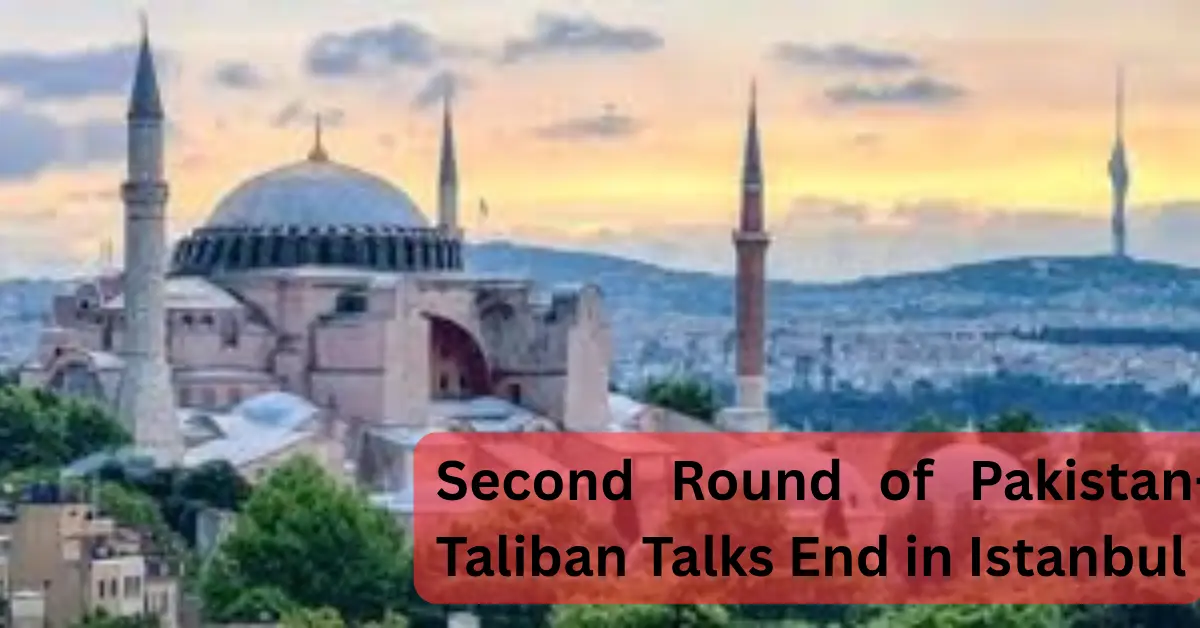
Overview of the Istanbul meeting
The second round of Pakistan-Taliban talks concluded in Istanbul after an intense, nine-hour session that saw Islamabad firmly reject an Afghan proposal to relocate Tehreek-e-Taliban Pakistan (TTP). Delegations from both sides focused on converting the Doha-brokered ceasefire into a durable, verifiable arrangement and discussed a joint monitoring mechanism to curb cross-border militant activity and ease trade frictions. 🇹🇷🇵🇰
What Islamabad rejected and why
According to Pakistani sources, Kabul’s suggestion to transfer the TTP to a new Afghan location was not acceptable to Pakistan’s delegation. Islamabad insisted that relocation is not a practical solution; instead, Pakistani officials pressed for decisive Afghan action to dismantle or control networks that plan attacks on Pakistan from Afghan soil. Defence Minister Khawaja Asif reaffirmed this stance publicly, linking the sustainability of peace to concrete measures against militants. 🔒
 Maryam Nawaz Launches Punjab First Mobile Police Station & Licensing Unit
 PSX Rally: KSE-100 Index Hits Record 161,000 Points on IMF Optimism
Ceasefire gains and monitoring proposals
Both sides examined ways to operationalize the ceasefire first agreed in Doha. Delegates considered establishing a permanent oversight mechanism to monitor border security, coordinate intelligence-sharing, and prevent the movement of extremist elements across the frontier. The aim is to make the ceasefire resilient to violations and to build confidence through tangible, joint steps. 📋
Diplomacy and third-party facilitation
Qatar and Türkiye have been credited with mediating the process: the initial Doha meeting produced an immediate ceasefire and a commitment to continued engagement. Qatar’s Foreign Ministry published a statement after Doha confirming the ceasefire and calling for mechanisms to consolidate stability. External facilitation remains central to bridging gaps and ensuring follow-up, and both capitals publicly thanked Doha and Ankara for their roles. 🌐 Qatar Ministry of Foreign Affairs statement
Statements from Kabul and Islamabad
Pakistan’s Defence Minister underlined that the ceasefire will hold only if the Afghan side prevents militants from using Afghan territory as a launchpad. International outlets covering the Pakistan-Taliban Talks — including Reuters and Al Jazeera — have noted Islamabad’s insistence on enforcement rather than relocation as the key demand in the latest round. For broader context, see reporting by Reuters and Al Jazeera. 🗞️
Trade, border management and next steps
The Istanbul talks also covered non-security issues such as trade barriers and cross-border movement — pragmatic subjects intended to build momentum and mutual trust. Delegations agreed to meet again soon in Istanbul for follow-up sessions to translate diplomatic commitments into operational protocols. Observers say the success of forthcoming meetings will depend on fast, verifiable actions on the ground. ⚖️
What this means regionally
A durable implementation mechanism would reduce military tensions along the Pakistan-Afghanistan frontier and could unlock broader regional stability. But Islamabad has made clear it will not accept symbolic gestures; it wants demonstrable disruption of militant havens. International stakeholders — and the public in both countries — will likely watch the next steps closely. 🌍
For ongoing coverage and further analysis visit newscloud.pk and consult authoritative sources such as the Qatar Ministry of Foreign Affairs and international press reports linked above.
 Gold Price in Pakistan Soars Past Rs. 425,000 per Tola
 Urgent Update: Mushtaq Ahmad released from Israeli Custody
Quick timeline
Doha: Immediate ceasefire and mediation (mid-October 2025). Istanbul: Follow-up negotiations, second round concluded (Oct 25–26, 2025). Next: Additional follow-up meeting in Istanbul to operationalize agreements and oversight mechanisms. 📅
Final note
The Pakistan-Taliban talks now move from broad diplomatic assurances to the much harder work of verification and enforcement. Islamabad’s rejection of a TTP relocation proposal signals a preference for tangible disruption of militant infrastructure rather than simple relocation schemes. The coming days will test whether political will and mediator pressure can translate into measurable change on the ground. ✨
FAQs
- Q: What was decided in the second round of Pakistan-Taliban talks in Istanbul?
A: The second round of Pakistan-Taliban Talks ended after lengthy discussions; Pakistan rejected Afghanistan’s offer to relocate the TTP and both sides focused on mechanisms to implement and monitor the Doha ceasefire. - Q: Who mediated the Pakistan-Afghanistan talks?
A: Qatar and Türkiye acted as facilitators for the initial and follow-up for Pakistan-Taliban Talks, with Qatar publicly announcing the Doha ceasefire. (Qatar MFA) - Q: Why did Pakistan reject the TTP relocation proposal?
A: In second round of Pakistan-Taliban Talks, Pakistan maintains relocation alone would not eliminate threats and insisted on decisive Afghan action to disrupt militant infrastructure and command networks operating against Pakistan. - Q: Will the ceasefire hold after these Pakistan-Taliban Talks?
A: The ceasefire’s durability depends on verification and on-the-ground action by Afghan authorities to restrict militant movements; further Istanbul follow-ups aim to create such verification mechanisms. - Q: Where can I follow further developments?
A: Follow reliable outlets such as Reuters, Al Jazeera and the official Qatar statement linked above, and stay updated at newscloud.pk.