What’s happening in Istanbul?
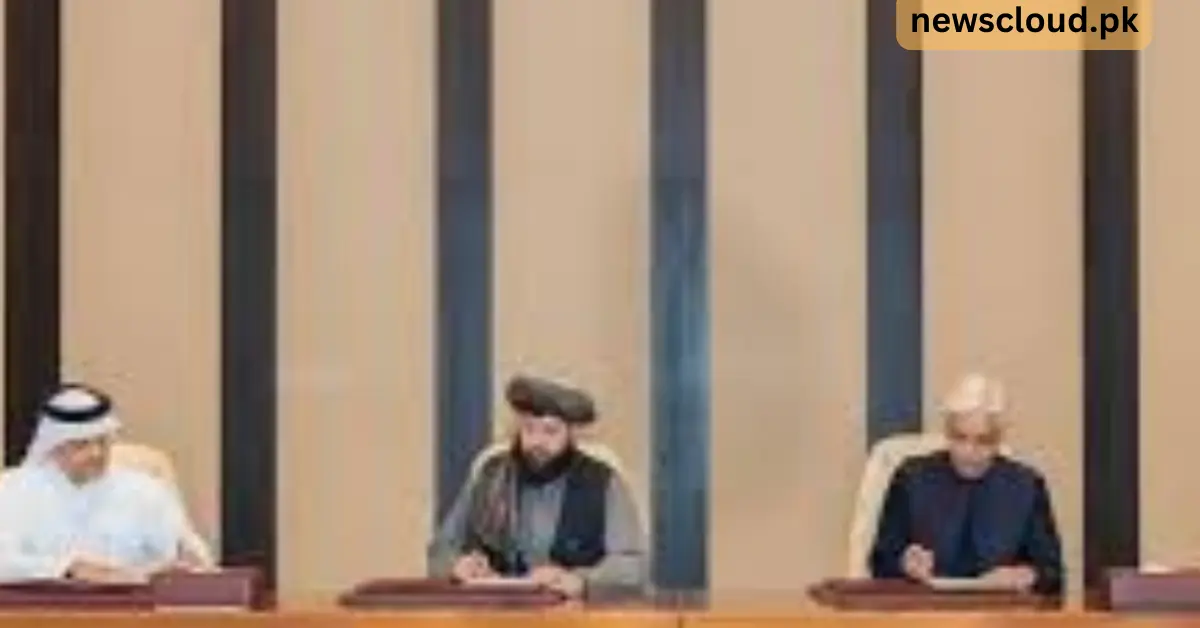
Delegations from Pakistan and Afghanistan met in Istanbul on Saturday for the second round of diplomatic engagements that follow last weekend’s Doha mediation. Islamabad says the session is designed to translate the Doha ceasefire into a concrete, verifiable monitoring mechanism to prevent militants from using Afghan territory to launch attacks into Pakistan. 🇵🇰🤝🇦🇫
Why these Istanbul talks matter
The Istanbul talks come after intense cross-border clashes earlier in October that killed dozens on both sides and prompted the suspension of border trade and closures of key crossings. Pakistan’s Foreign Office has emphasised that saving civilian lives is the priority, even while border commerce remains halted. The urgency behind the Istanbul talks is to institutionalise checks and confidence-building measures so the fragile truce does not collapse. 🕊️
 Pakistan Pushes an Economic Anchor to Rewire Pak–US Relations
 Earthquake of 3.2 Magnitude Shakes Karachi Malir
Pakistan’s objectives
Pakistan’s delegation — representatives who participated in the Doha round and follow-up Istanbul discussions — is pushing for a mechanism that can be independently verified and that obliges the Afghan authorities to act against groups Islamabad deems responsible for attacks, including the TTP and separatist actors. In Islamabad’s view, the success of these Istanbul talks depends on credible, verifiable action rather than verbal assurances. 🛡️
What Kabul’s participation means
The Afghan side, led by its deputy interior minister and senior officials, has reaffirmed participation after the Doha truce. Kabul’s engagement in Istanbul signals a willingness to convert a temporary halt in violence into stable arrangements, though both sides have different narratives about responsibility for militant safe havens — a core sticking point the Istanbul discussions aim to address. ⚖️
Human and economic stakes
Beyond security, the border closures have immediate humanitarian and economic fallout. Prices of certain staples and cross-border supplies have been affected since the closures, adding pressure on negotiators to find practical solutions that can allow trade and movement to resume safely when conditions permit. The Istanbul talks therefore have both security and socioeconomic dimensions. 📈🍅
What could a monitoring mechanism look like?
While specifics will be negotiated, Islamabad is reportedly seeking a mechanism that includes joint monitoring, verified reporting channels, possible third-party facilitation or observers, and clear timelines for action against listed militant elements. The model could draw on third-party mediation practised in Doha (Qatar and Türkiye) but would require buy-in on verification and enforcement. 🔁
Early signs and risks
Officials have described the Doha outcome as a “first step” and say the truce has largely held in the days since — a sign the Istanbul talks might deepen gains — but risks remain: misinterpretation of incidents, domestic political pressures, and spoilers on either side who oppose rapprochement could undermine progress. The Istanbul talks are therefore a delicate mix of diplomacy and operational security arrangements. ⚠️
The international angle
Qatar and Türkiye’s mediation in Doha and Türkiye hosting the Istanbul sessions reflect a regional push to stabilise a volatile frontier. International observers and neighbouring capitals will be watching whether the Istanbul talks can convert ceasefire language into durable institutional measures. 🌍
 KP CM Gandapur Resigns on Imran Khan’s Orders, Backs Afridi
 Inside the High-Stakes Pakistan-Taliban Talks in Istanbul
For ongoing local coverage and follow-ups on the Istanbul talks, visit our partner page and full reports at NewsCloud, and consult independent reporting from major outlets such as Reuters and Dawn for authoritative updates.
Bottom line
The Istanbul talks represent the second, crucial stage in a diplomatic effort to stabilise the Pakistan-Afghanistan border after heavy clashes. Their success will be judged by the creation of a verifiable monitoring mechanism, concrete steps taken against cross-border militant activity, and the gradual restoration of normal cross-border life — including trade. The coming days in Istanbul will reveal whether the ceasefire can be made durable or remains a fragile pause. ✨
FAQs
- Q: What are the Istanbul talks?
A: The Istanbul talks are the second round of Pakistan–Afghanistan negotiations held in Istanbul on Oct 25, 2025 to build on the Doha ceasefire and design a verifiable mechanism to prevent cross-border attacks. - Q: Who is mediating the talks?
A: Qatar and Türkiye mediated the initial Doha round and Türkiye is hosting the follow-up Istanbul talks; international actors are supporting facilitation. - Q: What does Pakistan want from the Istanbul talks?
A: Islamabad seeks a concrete, verifiable monitoring mechanism and action against militant groups alleged to launch attacks from Afghan soil. - Q: Are border trade and crossings open during the talks?
A: Border crossings remained closed following clashes in early October; reopening is conditional on improved security and verified agreements from the talks. - Q: Where can I read official updates?
A: Follow statements from Pakistan’s Foreign Office and reporting by reputable news outlets such as Reuters and Dawn.