


overview
The federal cabinet, chaired by Prime Minister Shehbaz Sharif, has approved a proposal to impose a formal TLP ban . The decision — taken after a detailed briefing on the group’s recent violent actions and a formal recommendation from the Punjab government — invokes powers under the Anti-Terrorism Act, 1997. The measure will now be referred to the Supreme Court for final adjudication. 🇵🇰⚖️
Why the government moved to approve the TLP ban in Pakistan
Officials told the cabinet that the organization has repeatedly engaged in violent and disruptive activities, including large-scale protests that resulted in deaths and extensive property damage. Authorities say the group’s recent march from Lahore — which had declared intentions to protest in Islamabad near a foreign mission — escalated into violent clashes with police, prompting arrests and a provincial summary recommending legal action. The Punjab government’s dossier formed the backbone of the federal recommendation. 🚨📝
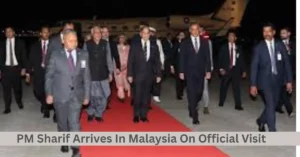 PM Shehbaz Sharif Malaysia Visit: Building Stronger Ties with Malaysia
 Governance at Stake: Court Orders AAG to Verify Governor for Sohail Afridi Oath
Legal basis: how the TLP ban in Pakistan will be implemented
The cabinet approved the use of Section 11B(1) of the Anti-Terrorism Act, 1997 to declare the outfit proscribed, a step that allows authorities to place the organization and its leadership under the law’s restrictive schedules and to pursue anti-terrorism court action for violent offenses. The final, legally binding declaration will follow a reference to the Supreme Court as required by statute. ⚖️📜
Events that precipitated the decision
The decision follows violent confrontations during pro-Palestine demonstrations earlier in October, when thousands marched from Lahore intending to move toward Islamabad. Security forces blocked routes, arrests were made and, according to multiple reports, clashes in places such as Muridke turned deadly — with several fatalities and numerous injuries. The scale of disruption, including the burning of vehicles and alleged armed attacks on police, contributed directly to the recommendation for a ban. 🔥🚓
Immediate and downstream measures linked to the TLP ban in Pakistan
Authorities are expected to pursue a package of actions alongside the formal proscription: freezing bank accounts, adding leaders and senior activists to restrictive schedules, removing party material from public spaces, blocking social media channels used to mobilize supporters, and using anti-terrorism courts to prosecute those accused of violent offenses. The government has also signalled potential asset seizure and tighter policing in areas where mass mobilization occurred. 💼🔒
Political and social implications of the TLP ban in Pakistan
The move is politically significant: the TLP has previously been able to mobilize large numbers on emotive religious issues, and it was briefly proscribed in 2020–21 before being reinstated. A fresh ban will test the state’s ability to manage religiously charged protests without escalation while balancing civil liberties and security. Observers warn of potential short-term unrest in stronghold areas, even as policymakers argue the action is necessary to restore public order. 🏛️⚠️
What international and local observers are saying
International outlets and analysts have noted that Pakistan’s action reflects longstanding tensions over how to handle hardline political-religious groups. Some commentators say the decision aligns with a broader push by provincial and federal authorities to prevent violent street mobilization; others caution about the risk of driving supporters underground. For ongoing coverage, readers may consult detailed reporting by major outlets. 🌍📰
 KP CM Gandapur Resigns on Imran Khan’s Orders, Backs Afridi
 Shehbaz Sharif Honored by IIUM — Leadership Recognized
How this affects citizens and what to watch next
For ordinary citizens, immediate effects could include increased security operations in protest-prone districts, possible internet and mobile restrictions if unrest flares, and legal proceedings against those accused of violence. Key next steps include the Supreme Court’s review of the cabinet’s reference, any appeals lodged by the party, and the implementation of financial and administrative measures announced by authorities. Stay informed via respected news portals and official government releases, and consult trustworthy local updates for travel and safety notices. 📡🔔
For more detailed coverage and ongoing updates on the TLP ban in Pakistan, visit trusted local reporting and analysis hubs like Dawn, Reuters, and Al Jazeera. You can also follow live local reporting at NewsCloud for continuous updates and context. 🧭
FAQs
- What is the legal basis for the TLP ban in Pakistan?
The cabinet invoked Section 11B(1) of the Anti-Terrorism Act, 1997 to recommend proscription; the final legal declaration will be considered by the Supreme Court. - What incidents triggered the decision to ban TLP?
Violent clashes during a nationwide march—including fatalities, arson and attacks on police—led Punjab to forward a summary to the Centre recommending a ban. - Will the TLP’s bank accounts and assets be frozen?
Government statements and provincial recommendations indicate financial restrictions and potential asset freezes are part of the expected enforcement package. - How might this affect freedom of assembly and protests?
Authorities assert the aim is to curb violent mobilization; civil-society groups caution about impacts on legitimate protest and urge clear legal processes and oversight. - Where can I get real-time updates about the situation?
Follow major news outlets (Dawn, Reuters, AP, Al Jazeera) and local portals such as NewsCloud for verified, up-to-date reporting.


