Key News
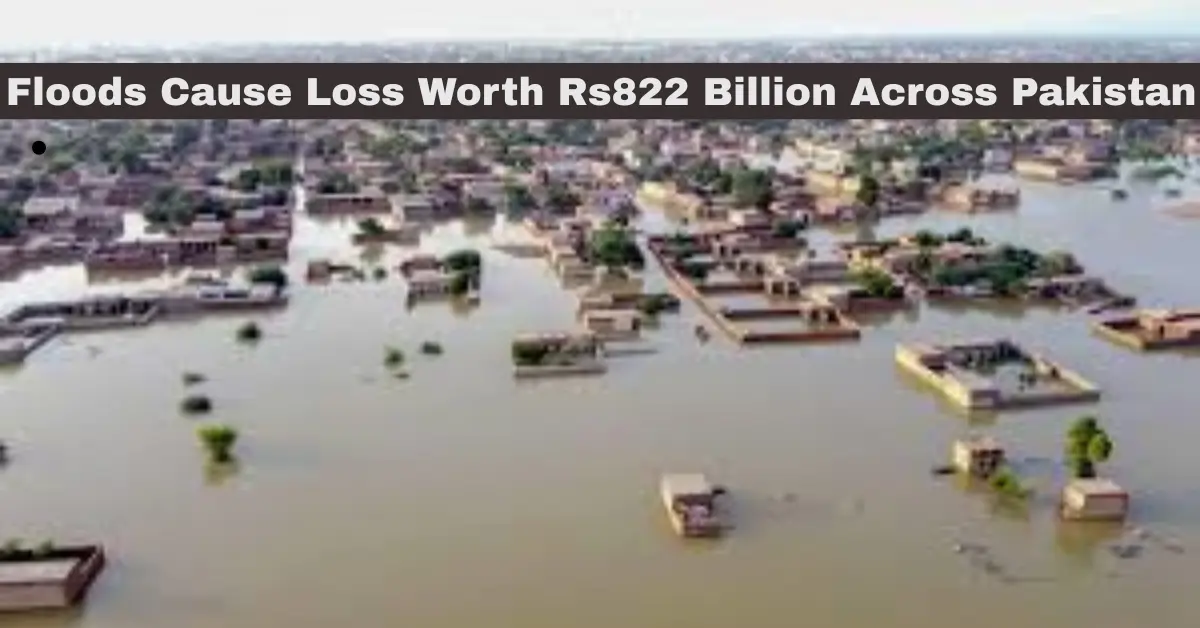
The International Monetary Fund (IMF) has warned that this year’s devastating monsoon floods have taken a heavy toll — and that the Floods hurt Pakistan economy by damaging crops, infrastructure and homes, reducing incomes and adding to near-term macroeconomic risks. 📉🌧️
IMF findings and the growth outlook
In its Regional Economic Outlook for the Middle East and Central Asia the IMF estimates Pakistan’s GDP growth at roughly 3.6% for the current financial year — below the government’s 4.2% target — and notes that the Floods hurt Pakistan economy by directly reducing agricultural output and by damaging roads and market access, which in turn shave off growth momentum unless recovery is swift.
 Islamabad Suicide Blast: 12 Martyred in Deadly Court Attack
 Cyclone Shakti Triggers Karachi Rain Forecast — NDMA Issues Warning
How flooding pushes up prices and risks inflation
Crop losses and disrupted supply chains tend to raise food and commodity prices first. The IMF cautions that the same shocks that mean the Floods hurt Pakistan economy also amplify inflationary pressures — especially as electricity-subsidy rollbacks and tariff adjustments occur — putting poorer households at particular risk from rising food and energy bills.
Sectoral damage: fields, roads and livelihoods
At the local level millions have seen standing crops destroyed, stored grain spoiled, livestock affected and rural roads washed away — clear channels through which the Floods hurt Pakistan economy. The humanitarian and economic reporting highlights wide displacement and urgent reconstruction needs for the hardest-hit districts.
Current account, remittances and external buffers
The IMF notes that remittances and some recent policy measures have helped stabilise external balances to date, yet it warns that the Floods hurt Pakistan economy by raising import demand for food and agricultural inputs while depressing exportable output — a combination that could widen the current-account deficit if the shock continues. Policymakers therefore must balance relief spending with preserving macro stability.
IMF policy guidance: target support and structural reform
To limit how the Floods hurt Pakistan economy over the medium term, the IMF recommends continued structural reforms — including tax-system improvements and energy-sector adjustments — combined with well-targeted social protection that directs support to the most affected households rather than untargeted subsidies. The Fund also calls for fiscal agility to finance reconstruction without undermining macro stability.
Climate risk, adaptation and long-term resilience
Economists and development agencies stress that these floods are part of a growing pattern of climate-related disasters; repeated shocks will erode potential growth if investments in resilient infrastructure, climate-smart agriculture and risk financing are not prioritised. In short, the Floods hurt Pakistan economy now and may continue to do so unless recovery is paired with resilience-building. International climate finance and multilateral support are central to that agenda.
What businesses and households should expect
In coming months expect volatility in food and energy prices, possible policy recalibrations on subsidies and tariffs, and intense focus on reconstruction contracts and supply-chain restoration. Firms will face higher logistics and operating costs; households will feel the impact through higher food bills and lost incomes — direct ways the Floods hurt Pakistan economy. Citizens should monitor official advisories and trusted outlets for guidance on relief measures and assistance. 🇵🇰💼
Where to read the IMF report and follow reliable updates
Read the IMF’s full Regional Economic Outlook (Oct 21, 2025) for detailed projections. For on-the-ground reporting and analysis consult outlets such as Reuters, Dawn and The Guardian. For local aggregation and continuing recovery stories visit NewsCloud.
FAQs
- Q: What did the IMF say about how the floods hurt Pakistan economy?
A: The IMF’s October Regional Economic Outlook states that floods damaged agriculture, infrastructure and households — trimming projected GDP growth to around 3.6% and raising inflation and current-account risks. - Q: How much could growth slow because of the floods?
A: The IMF projects approximately 3.6% growth in the current year (below the government’s 4.2% goal) and warns that continued disruption could slow momentum further unless recovery steps are accelerated. - Q: Which sectors were hit hardest by the floods?
A: Agriculture, rural logistics and vulnerable households bore the brunt — lost harvests, damaged transport links and destroyed homes are immediate channels through which the floods hurt Pakistan economy. - Q: What policy steps did the IMF recommend?
A: The IMF urged targeted social-protection, tax and energy reforms, fiscal flexibility for reconstruction and prioritised use of international support to restore productive capacity. :contentReference[oaicite:11]{index=11} - Q: Where can I follow updates and recovery plans?
A: Consult the IMF report for technical detail and trusted media such as Reuters and Dawn for reporting; local updates and human-interest recovery stories are available at NewsCloud.