Overview
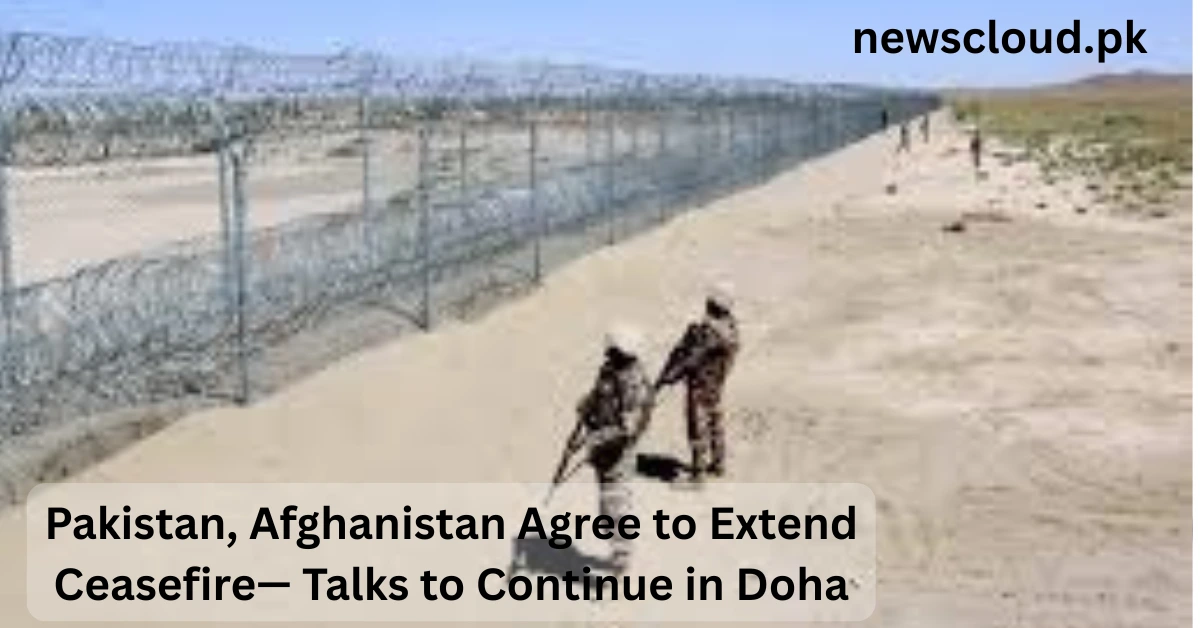
Pakistan and Afghanistan have agreed to extend the Pak-Afghan ceasefire 2025 by 48 hours as both sides prepare for intensive talks in Doha aimed at preventing further border escalation. The extension buys time for diplomatic channels to work and for negotiators to lay the groundwork for a longer-term understanding. 🕊️
Why the extension matters
The decision to prolong the Pak-Afghan ceasefire 2025 comes amid heightened tensions after a series of cross-border clashes earlier in October. The extra 48 hours — agreed ahead of scheduled talks in Doha — is intended to keep the ceasefire intact while delegations from Islamabad and Kabul pursue a negotiated path forward. Observers say the pause is a necessary precondition for any substantive confidence-building measures. 📌
Doha talks: who’s going and what to expect
A Pakistani delegation has already arrived in Doha, with Afghan representatives expected to join the discussions shortly. International mediators and regional interlocutors will monitor the dialogue as negotiators tackle security assurances, border management protocols and mechanisms to prevent future incidents. The talks aim to convert the temporary pause of the Pak-Afghan ceasefire 2025 into a more durable de-escalation framework. ✈️
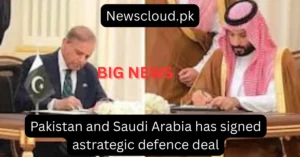 Pakistan-Saudi Arabia Sign Strategic Mutual Defence Agreement
 SP Adeel Akbar suicide Inquiry Reveals Startling Findings
Official framing and diplomatic language
The Foreign Office described the extension as an opportunity for “constructive dialogue” that could yield a lasting resolution to complex border disputes. Government statements have emphasized that the current extension of the Pak-Afghan ceasefire 2025 is a pragmatic step to reduce immediate tensions while larger diplomatic work continues in Doha. For the latest official releases see the Ministry of Foreign Affairs and related briefings. 📣
Security on the ground: ISPR briefings
Meanwhile, the Pakistan military’s public relations wing (ISPR) reported that security forces had repelled multiple cross-border attacks. The ISPR said hostile elements launched assaults from Afghan territory, including incidents near Spin Boldak, but Pakistani troops successfully defended border posts. These security developments underscore why maintaining the Pak-Afghan ceasefire 2025 during negotiations is essential for preventing renewed violence. 🛡️
Humanitarian and economic stakes
Beyond immediate security concerns, an extended and durable Pak-Afghan ceasefire 2025 would protect civilian lives, allow trade to resume at key crossings and reduce displacement in fragile border communities. The destruction of the Pak-Afghan Friendship Gate and attacks on divided villages have already hurt local trade and tribal cooperation; stabilizing the frontier is therefore both a humanitarian and an economic priority. 💼
Possible outcomes from Doha
Negotiators in Doha could deliver several results: an extended truce with clear verification steps, agreed procedures for managing border incidents, humanitarian assurances for affected civilians and possibly third-party monitoring. The success of the Doha meetings would turn the short-term extension of the Pak-Afghan ceasefire 2025 into a platform for longer-term confidence building.
 KP CM Gandapur Resigns on Imran Khan’s Orders, Backs Afridi
 Sohail Afridi Finalises KP Cabinet — 13-Member Team Sworn In Today
What analysts are watching
Analysts will track whether both sides commit to transparent incident reporting, restrictions on militant use of border areas, and mechanisms for rapid crisis de-escalation. The degree to which the Doha talks can institutionalize these measures will determine whether the current Pak-Afghan ceasefire 2025 becomes a stepping stone toward stability or merely a temporary lull. 🔎
How the public can follow developments
For real-time coverage and in-depth analysis on the extension of the Pak-Afghan ceasefire 2025 and the Doha talks, refer to reliable international reporting such as Reuters, and local official channels including the ISPR and the Foreign Office. For domestic follow-ups and updates visit NewsCloud. 📰
Conclusion
The 48-hour extension of the Pak-Afghan ceasefire 2025 gives negotiators a slim but vital window to advance talks in Doha and reduce the immediate risk of renewed clashes. Success will require political will on both sides, effective verification measures, and continued international support to translate a fragile truce into lasting peace along the frontier. ✨
FAQs
- What triggered the 48-hour extension of the Pak-Afghan ceasefire 2025?
The extension was agreed to maintain calm while delegations from Pakistan and Afghanistan prepare for talks in Doha to de-escalate recent border clashes. - Who is attending the Doha talks?
Pakistan’s delegation is already in Doha and Afghan representatives are scheduled to join; regional mediators and observers may also be present. - Has fighting continued despite the ceasefire?
Security reports indicate that clashes occurred earlier but the extension aims to halt hostilities while negotiations proceed. - What are negotiators likely to discuss in Doha?
Key topics include verification protocols, border incident management, protection for civilians and steps to prevent militants from using border areas. - Where can I get trusted updates on the Pak-Afghan ceasefire 2025?
Follow authoritative outlets like Reuters, official statements from Pakistan’s Foreign Office, ISPR releases and local coverage at NewsCloud.