Key News
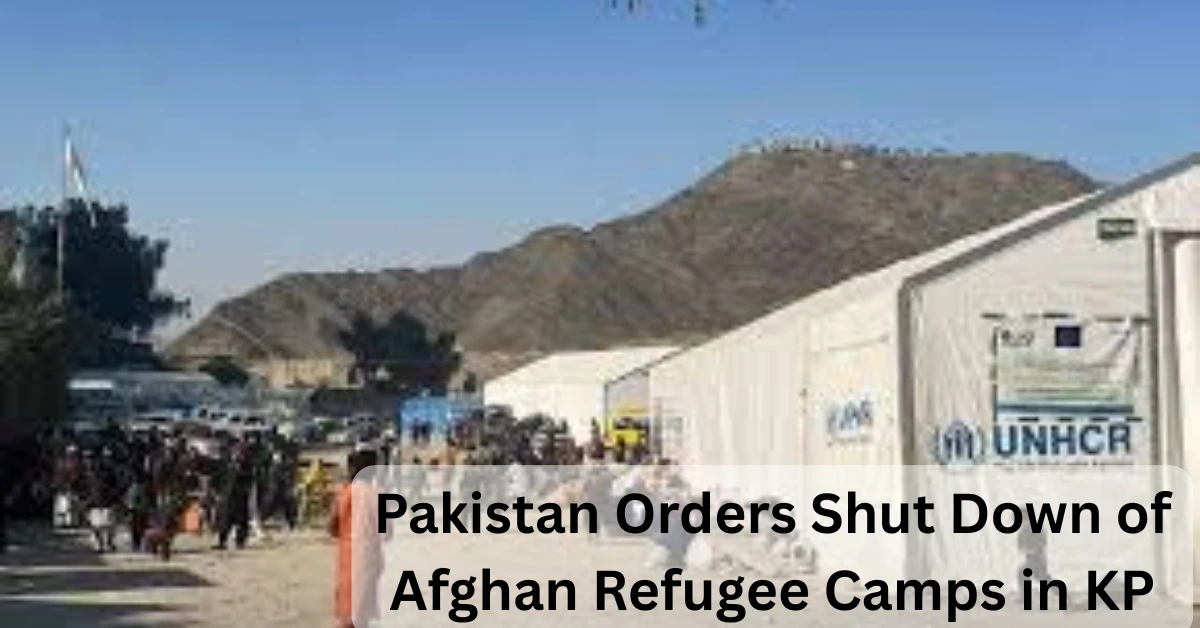
PESHAWAR — Pakistan’s federal government has issued an order for the immediate closure of several long-standing Afghan refugee camps, directing that Afghan refugee camps shut down across Khyber Pakhtunkhwa (KP). The directive targets camps in districts including Dera Ismail Khan, Tank, Lakki Marwat, Bannu, Mansehra, Charsadda and Malakand, asking provincial authorities to take possession of the lands formerly designated for refugee use.
What the order says and where it applies 📝
The federal notification instructs the provincial government to denotify camp land and to initiate measures for repatriation or relocation of occupants. Practically, this means the Afghan refugee camps shut down across KP will no longer be recognised as formal camps and residents are being directed to return to Afghanistan or to present valid documentation if they wish to remain in Pakistan under legal status. The move follows earlier denotifications in other provinces and forms part of the broader Illegal Foreigner Repatriation Plan (IFRP).
 Karachi E-Challan System Issues 2,662 Tickets in Just 6 Hours
 Field Marshal Munir Leads Tribal Elders in Building a United Front Against Militancy in Peshawar
Numbers, scale and government rationale 📊
Officials say the closures affect a limited number of designated sites but warn that thousands of people could be affected because many settlements have existed for decades. Authorities frame the decision as a security and regulatory step — part of a drive to identify undocumented foreigners and reduce what the state calls “illegal residency” — while also pointing to concerns over public order amid heightened border tensions. Critics counter that sudden closures risk humanitarian harm and long-term displacement.
Humanitarian and legal concerns 🚨
International agencies and human-rights groups have expressed alarm at plans to force Afghan refugee camps shut down without clear, voluntary return mechanisms. The UN Refugee Agency (UNHCR) has warned that denotifying villages and camps could jeopardise livelihoods and reintegration prospects for families who have lived in these locations for decades, urging Pakistan to ensure returns are safe, dignified and voluntary.
What happens to camp residents now? 🧳
Camp residents have been told to present valid documentation or prepare to return to Afghanistan. For those without papers, provincial authorities are coordinating with federal agencies to establish registration, screening or deportation procedures under the IFRP. The Punjab government, for example, recently launched a third phase of repatriations and says tens of thousands have already been processed under its programme — a precursor to similar actions in KP.
Border tensions and timing of closures ⚖️
Observers note the closures come amid heightened Pakistan–Afghanistan tensions, border shutdowns and security operations, which complicate voluntary returns and cross-border coordination. With crossings intermittently closed following recent clashes, humanitarian agencies warn that returns during security flare-ups could create additional risks for civilians asked to leave while transit routes remain constrained.
 Urgent Update: Mushtaq Ahmad released from Israeli Custody
 Neelofar Movie 2025 Release: Mahira Khan & Fawad Khan Reunite on Big Screen
Local reaction and political implications 🗣️
Local officials tasked with implementing the order face competing pressures: central directives to denotify camp lands and local concerns about unrest, displacement and service gaps. Political commentators say the decision will have domestic political consequences, influencing public debate about refugees, security, and Pakistan’s obligations under international law. Afghan communities and civil-society actors are urging clearer timelines and protection guarantees before Afghan refugee camps shut down in practice.
Where to follow developments and official statements 🔗
For authoritative updates consult federal government releases, the UNHCR Pakistan office and major national outlets such as Dawn and Reuters. Local reporting and continuous coverage can be found at NewsCloud, which will track implementation, court responses and humanitarian briefings as Afghan refugee camps shut down across KP.
FAQs ❓
- Q: What does the order to have Afghan refugee camps shut down mean?
A: It means the federal government has instructed provincial authorities to denotify certain refugee sites, reclaim camp land and begin processes for return, documentation checks, or relocation. :contentReference[oaicite:8]{index=8} - Q: Which KP districts are affected by the Afghan refugee camps shut down order?
A: Reported districts include Dera Ismail Khan, Tank, Lakki Marwat, Bannu, Mansehra, Charsadda and Malakand. - Q: Are returns voluntary or forced when Afghan refugee camps shut down?
A: Humanitarian agencies insist returns must be voluntary and safe; however, government directives may include deportation steps for undocumented residents under the IFRP. - Q: How does this decision relate to the Illegal Foreigner Repatriation Plan (IFRP)?
A: The closures are part of the wider IFRP effort to identify and repatriate undocumented foreigners, which several provinces have already implemented in phased operations. - Q: Where can I get updated, reliable information about Afghan refugee camps shut down and repatriation?
A: Follow official government releases, UNHCR Pakistan, Reuters, Dawn and local portals such as NewsCloud for continuous coverage.