Pakistan voices concerns over India-Afghanistan joint statement
📌 Pakistan has publicly registered its displeasure after the India-Afghanistan joint statement issued in New Delhi mentioned Jammu and Kashmir as part of India and described terrorism as an internal issue for Pakistan. Islamabad called the references “highly insensitive” and said the wording violates United Nations Security Council (UNSC) resolutions on the disputed territory. Pakistan voices concerns that the statement not only disregards international instruments but also inflames an already fragile regional environment.
What Islamabad says
🛑 The Foreign Office (FO) summoned Afghanistan’s ambassador to lodge a formal protest and said the reference to Jammu and Kashmir violated relevant UNSC resolutions and the region’s legal status. In its statement, the FO reiterated that Pakistan voices concerns about any effort to sideline established international frameworks on Kashmir and stressed that deflecting responsibility for terrorism onto Pakistan is unacceptable. Islamabad has made clear it expects Kabul to take tangible action against groups using Afghan soil to stage attacks.
 Stricter UK Immigration Rules Unveiled: 10-Year Residency Requirement Announced
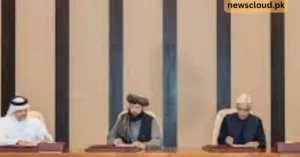 Crucial Istanbul Talks Kick Off: Pakistan Seeks Verifiable Mechanism to End Cross-Border Terror
visit, statement and diplomatic fallout
✈️ The joint declaration followed Afghan Foreign Minister Amir Khan Muttaqi’s six-day visit to India, the first such trip by a senior Taliban-era official since 2021 after a temporary UNSC travel exemption. Pakistan voices concerns that the diplomatic boost to Afghanistan came with language that undercuts Pakistan’s position on Jammu and Kashmir and appears to dismiss Islamabad’s long-standing security complaints. India’s decision to reopen its embassy in Kabul has been read as a step toward normalising ties with the interim Afghan administration, complicating regional diplomacy.
Terrorism claims rejected
🚫 The joint statement’s language suggesting terrorism is an internal Pakistani issue was strongly rejected. The FO reiterated that Pakistan has shared credible evidence with Afghan authorities about “Fitna-e-Khawarij” and “Fitna-e-Hindustan” groups operating from Afghan soil. Pakistan voices concerns that such deflection undermines the duty of states to prevent their territory from being used by non-state actors to attack neighbours. Islamabad insists that counterterrorism responsibility rests with all regional governments, including Kabul.
Humanitarian and historical ties emphasized
🤝 While voicing protest, Pakistan also reaffirmed its long humanitarian relationship with Afghanistan, noting that it has hosted millions of Afghans over four decades and continues to offer medical and educational visas on humanitarian grounds. At the same time, Pakistan voices concerns about security and has called for the voluntary return of unauthorised Afghan nationals as peace returns to parts of Afghanistan.
Calls for action
📣 Islamabad demanded that the interim Afghan government take concrete measures to prevent militant sanctuaries and logistical support from Afghan territory. The FO said Pakistan voices concerns that without decisive Kabul action, cross-border terrorism will continue to destabilise both countries. Pakistan also encouraged regional cooperation, trade, and connectivity while making clear that national security remains the top priority.
International law and UNSC angle
⚖️ Pakistan’s assertion that the joint statement violated UNSC resolutions on Jammu and Kashmir is central to why Pakistan voices concerns so forcefully. The FO reminded the international community that Kashmir’s disputed status has long been framed by UN resolutions and that unilateral references in bilateral documents risk undermining the established legal framework. For readers wanting to review UNSC resolutions and context, see the United Nations Security Council records. UNSC – Records
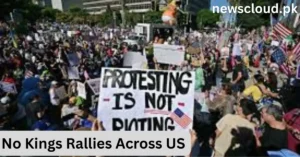 No Kings Protests: America Unites Against Authoritarianism
 Global Sumud Flotilla Intercepted Near Gaza Amid Rising Tensions
Regional reactions and what to watch
🌐 Observers note that Pakistan voices concerns amid a delicate regional realignment: India repairing ties with Kabul, Afghanistan seeking diplomatic recognition, and Pakistan pressing security demands. Watch for diplomatic exchanges, statements from the UN, and reporting by independent outlets such as Reuters and BBC for verification and follow-ups. For local analysis and continued coverage, visit https://newscloud.pk for updates and expert commentary.
Why it matters
🔍 Pakistan voices concerns because the phrasing of a high-profile joint statement affects international law, regional perceptions, and bilateral trust. When key neighbours issue statements that appear to negate established positions or shift blame for terrorism, it risks escalating tensions and complicating conflict resolution mechanisms. Islamabad’s strong response aims to keep the Kashmir dispute and security obligations on the international agenda while pushing Kabul to act against militants.
FAQs
- Q: Why did Pakistan protest the India-Afghanistan joint statement? A: Pakistan protested because the joint statement referred to Jammu and Kashmir as part of India and suggested terrorism is Pakistan’s internal issue; Islamabad says this violates UNSC resolutions and international norms.
- Q: Did Pakistan summon Afghanistan’s ambassador? A: Yes, the Foreign Office summoned Afghanistan’s ambassador to deliver a formal protest and convey Pakistan’s concerns.
- Q: What evidence has Pakistan shared about militants? A: Islamabad says it has shared credible evidence of groups like Fitna-e-Khawarij operating from Afghan soil and urges Kabul to take action; independent verification by international bodies is ongoing.
- Q: How does Pakistan view Kashmir legally? A: Pakistan reaffirms that Jammu and Kashmir’s status is governed by UNSC resolutions and objects to unilateral references that suggest otherwise.
- Q: Where can I read more about this diplomatic row? A: Follow international reporting from Reuters and BBC and regional coverage on https://newscloud.pk for updates, analysis, and official statements.